The Strategic Side Of Conversational AI Advertising: What Digital Marketers Need To Know
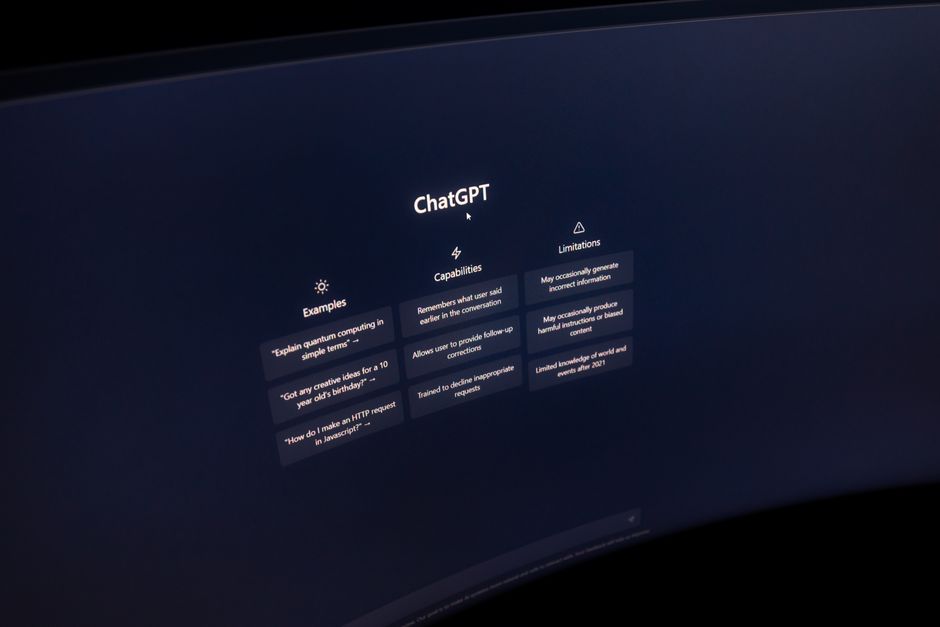
The advertising landscape is shifting beneath our feet, and conversational AI is leading the charge. OpenAI’s ChatGPT has officially rolled out advertising capabilities across 31 European markets, marking one of the most significant expansions in AI-driven ad delivery we’ve seen this decade.
This isn’t just another ad platform launch — it’s a fundamental reimagining of how brands connect with audiences during their most engaged moments. When users are actively conversing with an AI assistant, asking questions, seeking solutions, and making decisions, they’re in a fundamentally different mindset than when passively scrolling through a feed. For advertisers who’ve been watching the programmatic space evolve, this development demands attention and strategic recalibration.
Understanding The European Expansion
The geographic scope of this rollout tells us something important about OpenAI’s commercial ambitions and the regulatory environment they’re navigating.
- The expansion covers the European Economic Area, giving advertisers access to a substantial and diverse user base
- European markets often serve as proving grounds for privacy-conscious advertising approaches
- This move follows initial testing in other regions, suggesting OpenAI has refined its ad delivery mechanisms
- The timing coincides with increased AI adoption rates across European businesses and consumers
- Multiple language support creates opportunities for localized campaign strategies
- Advertisers can now reach users across varied economic conditions and consumer behaviors
- The expansion signals confidence in the platform’s ability to handle regulatory scrutiny under GDPR
This European footprint positions conversational AI advertising as a serious contender in the programmatic ecosystem, not merely an experimental novelty.
Why Conversational Context Changes Everything
Traditional display advertising interrupts. Conversational advertising participates. That distinction matters more than most marketers realize.
- Users engaging with ChatGPT are actively seeking information, creating high-intent moments
- The conversational format allows for contextual relevance that banner ads struggle to achieve
- Ad fatigue operates differently when messaging feels like part of a dialogue
- Intent signals in conversational AI are richer and more immediate than search queries alone
- Users self-select into topics, essentially pre-qualifying themselves for relevant advertising
- The format naturally accommodates longer-form messaging when appropriate
- Response patterns can inform future targeting without requiring intrusive tracking
The implication for media buyers is clear: conversational placements may require entirely different creative approaches than traditional programmatic inventory.
Implications For Programmatic Strategy
For teams managing programmatic budgets, ChatGPT’s ad expansion creates both opportunities and complications worth examining.
- Media mix models will need to account for this emerging channel category
- Attribution across conversational and traditional touchpoints presents new challenges
- Budget allocation decisions must weigh reach against the unique engagement qualities of AI platforms
- Competitive intelligence becomes harder when ad delivery is personalized to conversation context
- Frequency capping strategies may need reconsideration given the different user experience
- Creative testing will require new frameworks suited to conversational presentation
- Integration with existing demand-side platforms remains an open question
Programmatic advertisers should begin scenario planning now rather than waiting for case studies to accumulate.
The Privacy Calculus In AI Advertising
European expansion immediately raises privacy considerations that advertisers cannot afford to ignore.
- GDPR compliance sets a high bar for any advertising technology operating in European markets
- User consent mechanisms in conversational interfaces differ from traditional web environments
- Data minimization principles may actually benefit ad relevance by forcing focus on in-session context
- The absence of third-party cookies makes first-party and contextual signals more valuable
- Transparency requirements could build user trust if implemented thoughtfully
- Regulatory scrutiny will likely increase as the platform scales its advertising operations
- Privacy-preserving approaches may become competitive advantages rather than constraints
Brands that approach this channel with privacy-forward strategies may find themselves ahead of inevitable regulatory adjustments.
Creative Considerations For Conversational Placements
The creative playbook for conversational AI advertising is still being written, but some principles are emerging.
- Messaging must feel native to dialogue, not transplanted from banner campaigns
- Value-first approaches outperform aggressive promotional language in conversational contexts
- Questions and interactive elements may drive stronger engagement than declarative statements
- Brevity becomes even more critical when competing for attention within a conversation flow
- Tone alignment with the AI’s communication style reduces friction
- Call-to-action placement requires more subtlety than traditional display formats
- Testing velocity will determine which brands capture early advantages
Creative teams should begin experimenting with conversational copywriting disciplines now.
Measuring Success In A New Medium
Performance measurement frameworks need updating when the medium itself operates differently.
- Traditional click-through metrics may understate actual influence on user decisions
- Engagement duration and interaction depth offer alternative success indicators
- Brand lift studies become more important when direct response metrics tell incomplete stories
- Cross-device attribution challenges intensify with AI assistants used across multiple contexts
- View-through attribution windows may need adjustment for conversational discovery patterns
- Competitive benchmarks don’t yet exist, making early measurement investments especially valuable
- Integration with customer data platforms will determine long-term optimization capabilities
Advertisers entering this space should establish baseline metrics early, even with imperfect measurement, to enable future comparison.
What This Means For The Broader Advertising Ecosystem
ChatGPT’s European ad expansion doesn’t exist in isolation. It signals broader shifts worth tracking.
- Other AI platforms will likely accelerate their own advertising roadmaps in response
- Traditional publishers face increased competition for advertising budgets
- The definition of premium inventory is expanding to include conversational AI contexts
- Agency expertise requirements are evolving toward AI-native media planning skills
- Walled garden dynamics may intensify as AI platforms control more user attention
- Media buying tools will need updates to accommodate conversational inventory types
- Industry standards for conversational advertising measurement will emerge through practice
The competitive landscape is being redrawn, and positioning matters.
Final Thoughts
Conversational AI advertising represents more than a new placement option. It signals a fundamental evolution in how digital advertising operates, moving from interruption toward integration, from targeting toward context, and from passive impressions toward active engagement.
For programmatic advertisers and media buyers, the European expansion of ChatGPT’s advertising capabilities demands immediate attention. The brands that develop conversational advertising competencies now will hold meaningful advantages as this channel matures. Those that dismiss it as a niche experiment may find themselves playing catch-up in a landscape that evolved without them.
The question isn’t whether conversational AI will reshape advertising. It’s whether you’ll be ready when it does.
Ready to put this into action?
DailyClicks helps advertisers reach the right audience with programmatic native, push, pop-under, and display campaigns. Sign up and get 1,000 free clicks to test the platform.