The Human Side Of Push Notifications: What Advertisers Need To Know
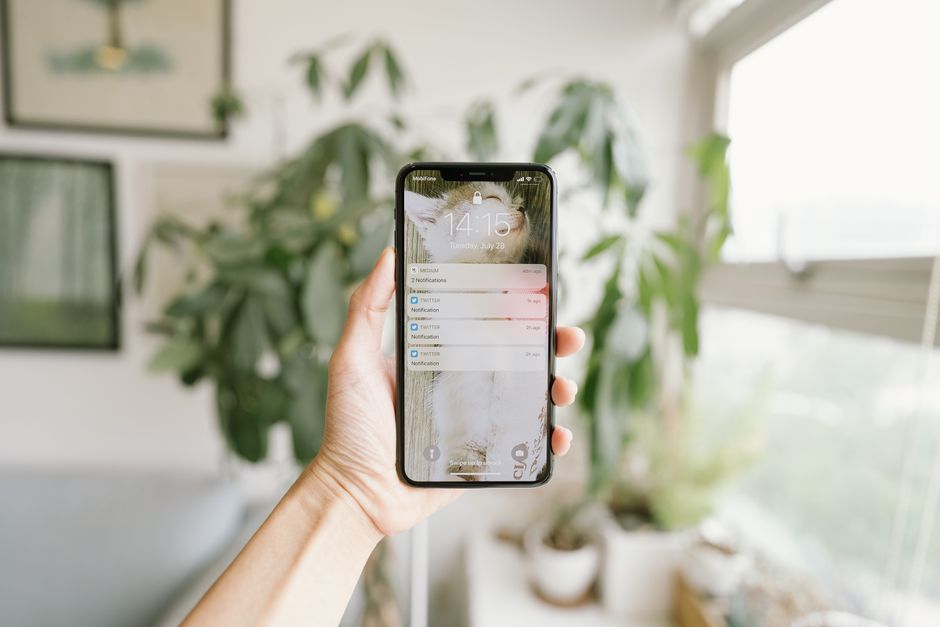
Push notifications usually don’t get the celebrity treatment. They’re the plain, functional nudges that light up a lock screen, deliver one message, and disappear. So when The Drum featured a Screwfix spot as its Ad of the Day, with Olympic champion Mo Farah cast as a “human push notification,” it was a striking creative choice. A brand took the most utilitarian format in digital marketing and turned it into a personality. One of the most recognisable distance runners in the world now plays the alert itself.
The idea is clever on its own terms, but it also says something useful about how audiences now think. People understand push notifications well enough that a TV-style ad can use them as a cultural shorthand. They know the format means something relevant just happened, and it’s worth your attention right now. When a brand can borrow the logic of a push notification to explain its own value, the format has become part of how consumers think about speed and relevance. For advertisers running real push campaigns, that is worth unpacking.
Why A Human Push Notification Works As A Creative Idea
The concept lands because it turns an abstract digital behaviour into something physical and instantly readable.
- Everyone with a smartphone recognises the push notification moment: a short interruption with a clear message.
- Casting a person as the notification makes the interruption charming instead of irritating.
- Mo Farah’s public identity is built on speed and endurance, which maps neatly onto the idea of a fast, timely alert.
- The premise needs almost no explanation, a sign of strong creative compression.
- It reframes “being interrupted” as “being helped,” which is the emotional goal of every good push message.
- It shows that a channel’s mechanics can carry a brand story as well as deliver one.
The takeaway for advertisers is simple: the format already carries meaning, and the best campaigns use that meaning instead of fighting it.
Speed Is The Promise, Not Just The Feature
Pairing a famous runner with a notification tells the audience exactly what the brand wants to own, and that is speed.
- A notification is only valuable if it arrives at the moment the information matters.
- For trade and DIY retail, where a missing part can stall a job, speed is a real customer pain point, not a vanity metric.
- Push campaigns should reflect that urgency in message timing, landing page load speed, and checkout friction.
- A fast alert that leads to a slow page breaks the promise the notification just made.
- Speed also applies to decision-making: one clear action beats three competing options.
- Brands that say “fast” in their creative need operations that actually deliver fast.
If the notification promises immediacy, every step after the tap has to keep pace, or the creative becomes a liability.
Interruption Has To Earn Its Place
Push notifications are interruptive by design, so every alert sends a small signal about whether the brand respects the recipient’s attention.
- Interruption only feels acceptable when the value is obvious within a second or two.
- A human notification works on screen because it’s entertaining. A real push needs to be useful in the same way.
- Generic “Check out our latest offers!” messages spend attention without returning anything.
- Specific, contextual messages such as order updates, restocks, and time-limited deals tend to justify the interruption.
- Every push should pass the “would I want this right now?” test before it goes live.
- Repeated low-value interruptions train users to ignore, mute, or unsubscribe.
- The cost of a bad push isn’t just one ignored message. It weakens trust in every future alert.
The brands that win on push treat attention as borrowed, and they always pay it back.
Brevity: Saying One Thing Well
A notification has very little space, which forces a discipline most ad formats never require.
- The title and body text often show only a short snippet before truncation, depending on device and browser.
- Lead with the benefit, not the brand name. The icon usually handles identification.
- One message per notification. Bundling multiple offers dilutes all of them.
- Verbs drive action: “Grab,” “Reserve,” “Collect,” “Save” outperform passive phrasing in clarity.
- Specificity beats cleverness when you only have a handful of words.
- Test emoji and punctuation carefully. They can add personality or look like spam, depending on the audience.
- Write for a glance, because that’s all most notifications get.
A good push reads like a sharp tap on the shoulder, not a paragraph you have to stop and process.
Relevance And Timing Beat Volume
The appeal of a human notification is that it shows up at exactly the right moment, and real campaigns should aim for the same precision.
- Time-of-day targeting matters. A tradesperson planning tomorrow’s job has different needs at 7am than at 9pm.
- Geographic targeting helps when the offer depends on local availability or delivery.
- Behavioural signals like recent visits, abandoned carts, and category interest make messages feel personal rather than random.
- Frequency capping protects campaign performance as much as it protects user goodwill.
- Seasonal and situational context counts too. Weather, holidays, and industry cycles can all shape demand.
- Sending fewer, better-timed notifications usually beats blasting the full audience daily.
- Segment by intent so high-intent users get action-oriented messages and casual browsers get softer prompts.
Relevance isn’t a nice-to-have in push. It’s the whole reason the channel works.
Personality In A Format Built For Utility
Screwfix’s creative is a reminder that functional channels don’t have to feel robotic.
- Push notifications are often written by systems and templates, which is why so many sound identical.
- A consistent brand voice, whether playful, blunt, or expert, makes notifications recognisable before the user reads the sender.
- Personality should support clarity, never replace it. A joke that hides the offer is a wasted send.
- Light humour or wordplay can lift engagement for consumer brands, while B2B audiences may respond better to straightforward utility.
- Tone should match the moment: a delivery update is no place for a pun, but a weekend promotion might be.
- Cross-channel consistency helps. If your TV, social, and push voices feel unrelated, the brand feels fragmented.
Personality is what turns a notification from a system message into a brand interaction.
Permission And Frequency: Where Brands Go Wrong
The human notification is welcome because the audience chose to watch the ad. Real push messages depend on a similar kind of consent.
- Opt-in prompts that appear the instant someone lands on a page tend to feel aggressive and get dismissed.
- Explaining what subscribers will receive, and how often, builds trust before the first message arrives.
- Over-messaging is the fastest route to unsubscribes and permanently blocked permissions.
- A subscriber list is an asset that can be depleted. Treat permission as something you maintain, not something you collected once.
- Monitor unsubscribe and click trends after each campaign, not just aggregate results.
- Offer value early. The first few notifications set expectations for everything after.
- Respect quiet hours, especially for audiences across multiple time zones.
Permission is the foundation of the channel, and careless frequency erodes it faster than most teams realise.
Turning The Lesson Into A Push Campaign Checklist
Creative inspiration is only useful if it changes how campaigns are built, so here is how to apply the “human notification” mindset in practice.
- Define the single promise each notification makes: speed, savings, availability, or information.
- Write the message as if a trusted person were saying it out loud. If it sounds odd spoken, rewrite it.
- Match the landing experience to the notification exactly, with the same offer, wording, and visual cue.
- Test send times, copy angles, and creative elements in controlled splits rather than changing everything at once.
- Segment audiences by behaviour and intent before scaling spend.
- Track downstream actions such as conversions, purchases, and sign-ups, not just clicks.
- Review results regularly and retire messages that consistently underperform.
A checklist won’t make a campaign brilliant, but it will stop it from being forgettable or annoying.
Final Thoughts
It’s easy to treat the Screwfix spot as a fun piece of celebrity casting and move on. But the reason the idea works is more interesting than the star power. The push notification has become such a familiar part of daily life that a brand can personify it and expect audiences to get the joke right away. That familiarity is both an opportunity and a warning for anyone running push campaigns. Audiences know what a good notification feels like: fast, relevant, brief, and worth the interruption. They also know what a bad one feels like, and they act on that judgement quickly.
For advertisers, the challenge is to make every real notification live up to the ideal the ad portrays. Lead with value. Respect timing. Keep the promise the alert makes, all the way through to the landing page and checkout. Give the message a voice people recognise without letting style bury substance. Do that consistently, and push stops being background noise and becomes a channel people are glad to hear from.
The best push notification isn’t the loudest one. It’s the one that shows up exactly when it’s needed, like a champion who knows when to kick for the finish.
Ready to put this into action?
DailyClicks helps advertisers reach the right audience with programmatic native, push, pop-under, and display campaigns. Sign up and get 1,000 free clicks to test the platform.