The Breaking Point Of Phone Notifications: What Marketers Need To Know About User Tolerance
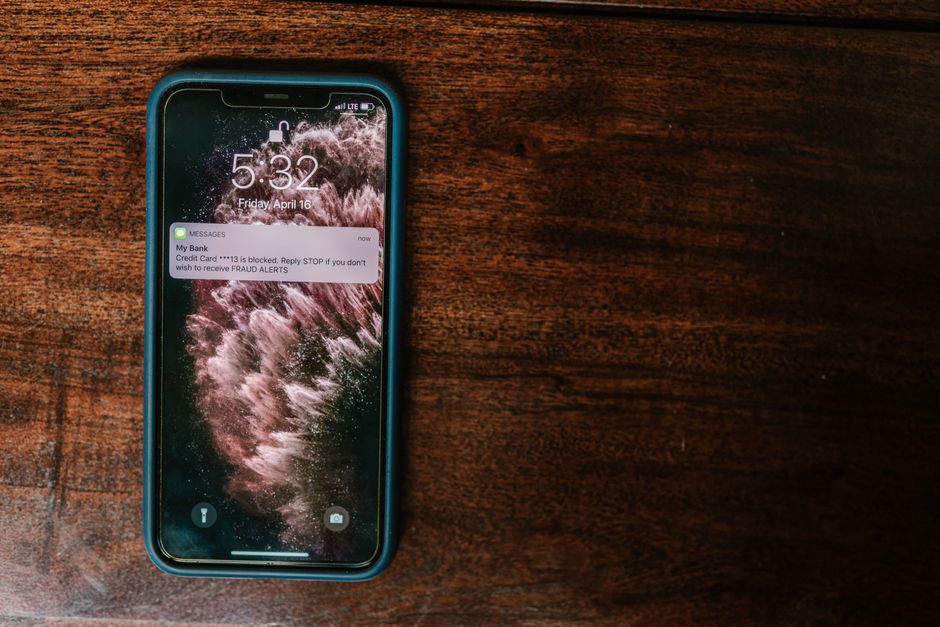
Something significant is happening in the mobile advertising ecosystem, and it deserves attention from everyone who relies on push notifications to reach customers. Recent discussions in the Android community reveal that promotional notifications on premium devices like the Pixel lineup are pushing users to their limits.
When users of flagship devices start publicly declaring they’re “sick of phone ads,” it’s a warning signal that should resonate throughout the marketing industry. The backlash isn’t just noise — it reflects a fundamental tension between monetization strategies and user experience that affects how we all approach mobile advertising moving forward.
The Core Issue: Promotional Notifications on Premium Devices
Users expect a certain experience when they purchase flagship hardware, and intrusive ads disrupt that expectation.
- Premium device owners often pay top dollar specifically to avoid ad-heavy experiences
- System-level notifications carry implicit trust that promotional content can violate
- The line between “helpful suggestions” and “unwanted advertising” has become blurred
- Users increasingly view their notification shade as personal space being invaded
- The resentment compounds when ads come from the device manufacturer itself
- Opt-out processes are often buried in settings menus, frustrating users further
- Each unwanted notification erodes brand perception incrementally
The cumulative effect creates an environment where all push notifications face increased skepticism.
Why This Matters for Legitimate Advertisers
The spillover effect from poorly implemented notification strategies impacts everyone in the ecosystem.
- User fatigue doesn’t discriminate between first-party manufacturer promos and third-party ads
- Blanket notification blocking settings are becoming more popular
- App permissions are scrutinized more heavily during installation
- One bad actor’s approach can poison the well for ethical marketers
- Platform-level changes often follow sustained user complaints
- Advertising effectiveness metrics decline when users disengage from the channel entirely
- Regulatory attention increases when consumer frustration becomes widespread
This creates a more challenging environment for advertisers who actually follow best practices.
The Difference Between Value and Intrusion
Understanding where the line falls requires honest assessment of notification content and timing.
- Notifications users opted into explicitly rarely generate complaints
- Relevant, timely information is welcomed; generic promotions are not
- Frequency matters enormously — even good content becomes annoying at high volume
- Context awareness separates sophisticated targeting from spam-like behavior
- Clear sender identification builds trust that obscured origins destroy
- Easy unsubscribe mechanisms paradoxically increase long-term engagement
- Testing notification copy for genuine value versus pure promotion reveals intent
The successful push notification strategies of tomorrow will be built on user consent and genuine utility.
What Users Are Actually Asking For
The feedback from frustrated users points toward specific improvements, not blanket rejection of notifications.
- Granular control over notification types and sources
- Transparency about what they’re signing up for
- Respect for their attention and time
- Clear distinction between system alerts and promotional content
- Meaningful opt-out that actually stops the messages
- Consistency between promised behavior and actual behavior
- Recognition that they’re customers, not just engagement metrics
These requests are reasonable and achievable for marketers willing to prioritize user experience.
The Business Case for Restraint
Counterintuitively, sending fewer, better notifications often outperforms high-volume approaches.
- Open rates increase when notifications reliably deliver value
- Uninstall rates correlate with notification fatigue
- Brand perception suffers measurable damage from intrusive practices
- Long-term customer lifetime value trumps short-term engagement spikes
- Word-of-mouth turns negative when users feel pestered
- Acquisition costs rise when reputation suffers
- Quality engagement produces better conversion than raw notification volume
The math favors respect for user attention even before considering ethical obligations.
How Programmatic Advertising Can Respond
The industry has tools to address these challenges without abandoning the channel entirely.
- Frequency capping prevents individual users from feeling bombarded
- Behavioral signals can identify optimal timing for each user
- Creative testing reveals which messages feel valuable versus intrusive
- Segmentation allows targeting users who genuinely want promotional content
- Consent-based frameworks build sustainable audience relationships
- Performance metrics should weight user satisfaction alongside clicks
- Transparency about data usage builds trust that enables ongoing engagement
Smart programmatic approaches can thread the needle between reach and respect.
Platform Responses to Expect
Device manufacturers and operating systems are paying attention to user complaints.
- Notification management features will become more prominent and powerful
- Default settings may shift toward more restrictive configurations
- App review processes could incorporate notification behavior standards
- Users will gain more tools to silence unwanted communications
- Aggregate notification abuse data may influence app store placement
- System-level notification summaries reduce the impact of individual messages
- Machine learning will increasingly filter notifications users ignore
Advertisers should prepare for an environment where user control continues expanding.
Building Notification Strategies That Last
Sustainable approaches require fundamental shifts in how we think about this channel.
- Start with user value, not advertiser needs
- Earn attention through consistent quality
- Treat notification permission as a privilege requiring ongoing justification
- Monitor user feedback actively, not just performance metrics
- Design for the long-term relationship, not the immediate click
- Accept that some users won’t want notifications, and that’s acceptable
- Integrate notification strategy with broader customer experience goals
The advertisers who thrive will be those who genuinely serve their audiences.
Final Thoughts
The frustration expressed by Pixel users about promotional notifications isn’t an isolated incident — it’s a symptom of broader tension in the mobile advertising ecosystem. Users have more power than ever to tune out marketers who don’t respect their attention, and they’re increasingly willing to exercise that power.
For those of us in programmatic advertising, this represents both a challenge and an opportunity. The challenge is obvious: the bar for acceptable notification practices is rising. The opportunity is that advertisers who genuinely prioritize user experience will stand out in a landscape where many competitors are generating backlash. The future belongs to marketers who understand that sustainable engagement requires earning attention, not demanding it.
Ready to put this into action?
DailyClicks helps advertisers reach the right audience with programmatic native, push, pop-under, and display campaigns. Sign up and get 1,000 free clicks to test the platform.